Waste Segregation: Sorting Garbage for a Sustainable Future
Waste segregation, or sorting garbage, is the process of separating different types of waste to facilitate recycling, reduce environmental impact, and improve waste management efficiency. This practice involves identifying materials such as plastics, paper, glass, metal, and organic waste, and placing them into designated containers based on their composition. The goal is to ensure that each type of waste is handled appropriately, either through reuse, recycling, or safe disposal.
Unlike general waste collection, where all trash is mixed together, waste segregation requires individuals and communities to take an active role in sorting their garbage. This approach not only helps reduce the volume of waste sent to landfills but also supports the circular economy by turning discarded materials into valuable resources.
What Makes Waste Segregation Unique?
Waste segregation stands out from other waste management methods due to its emphasis on material-specific handling. While traditional garbage collection focuses on removing waste from homes and businesses, it often lacks the structure needed to recover reusable or recyclable materials. In contrast, waste segregation introduces a system where each type of waste is separated at the source, making it easier to process later.
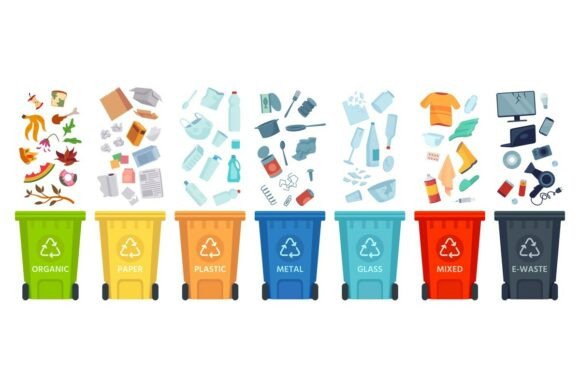
This method is particularly effective when combined with color-coded trash cans. For example, blue bins might be used for paper, green for organic waste, and yellow for recyclables like plastic and metal. Such visual cues help individuals quickly identify where to place different types of waste, reducing errors and improving overall participation.
Another key difference is the integration of recycling practices. Waste segregation encourages people to think about the lifecycle of their waste, promoting responsible consumption and disposal habits. This shift in mindset can lead to long-term environmental benefits, such as reduced pollution and conservation of natural resources.
How Waste Segregation Compares to Other Methods
When compared to unsorted waste collection, waste segregation offers several advantages. Unsorted waste is typically more difficult to recycle because it contains a mix of materials that are hard to separate. This leads to higher processing costs and lower recovery rates. In contrast, segregated waste allows for more efficient sorting at recycling facilities, which can increase the value of recovered materials.
Waste segregation also differs from incineration-based waste management, which involves burning waste to generate energy. While incineration can reduce the volume of waste, it often releases harmful emissions and destroys potential recyclable materials. Waste segregation, on the other hand, prioritizes resource recovery over energy generation, making it a more sustainable option in the long run.
Another alternative is composting, which focuses specifically on organic waste. While composting is an important part of waste management, it addresses only one segment of the waste stream. Waste segregation, however, covers all types of waste, including non-organic materials, making it a more comprehensive solution.
Strengths and Tradeoffs of Waste Segregation
One of the main strengths of waste segregation is its ability to significantly reduce landfill use. By separating recyclables and organics, communities can divert a large portion of their waste from landfills, extending their lifespan and reducing the need for new sites. This can lead to cost savings and fewer environmental hazards associated with landfill operations.
Additionally, waste segregation supports local recycling industries by providing a steady supply of clean, sorted materials. This can create jobs and stimulate economic growth in the recycling sector. It also encourages innovation, as companies develop better ways to process and repurpose different types of waste.
However, there are tradeoffs to consider. Implementing a waste segregation program requires education and behavioral change. Some individuals may find it inconvenient to sort their waste, especially if they are not familiar with the process. In areas without established recycling infrastructure, the benefits of segregation may be limited until proper systems are in place.
Another challenge is the need for consistent enforcement. Without clear guidelines and support, waste segregation efforts can become inconsistent or ineffective. This highlights the importance of community engagement, policy support, and access to appropriate facilities.
Best Fit Situations for Waste Segregation
Waste segregation is most effective in urban areas with high population density and strong municipal support. Cities that have implemented waste segregation programs often see improvements in recycling rates and public awareness. These environments benefit from centralized collection systems and well-established recycling facilities.
It is also well-suited for households and businesses that generate a variety of waste types. For example, a family that regularly produces food scraps, packaging, and electronic waste can benefit from segregating these items. Similarly, offices and retail spaces that handle large volumes of paper, plastic, and metal can streamline their waste management through segregation.
In rural areas, waste segregation may require more planning and infrastructure development. However, it can still be beneficial for communities looking to reduce environmental impact and manage waste more sustainably. Local initiatives, such as shared recycling centers or community composting programs, can help make segregation more practical in these settings.
When to Consider Alternatives
While waste segregation is a powerful tool, it may not be the best option in every situation. For instance, in areas with limited access to recycling facilities, the benefits of segregation may be minimal. In such cases, alternative approaches like waste-to-energy programs or improved landfill management may be more practical.
Individuals who are unable to sort their waste due to physical limitations or time constraints may also find it challenging to participate in segregation programs. For these users, simplified waste collection systems or automated sorting technologies could provide a more accessible solution.
Additionally, in regions where cultural or social norms do not prioritize recycling, waste segregation may face resistance. In these cases, education campaigns and incentives can help build awareness and encourage participation. However, if these efforts fail, other strategies may be necessary to address the waste management needs of the community.
Realistic Examples and Practical Comparisons
A city like San Francisco has successfully implemented waste segregation policies, achieving a 80% diversion rate from landfills. This success is attributed to a combination of public education, strict regulations, and robust recycling infrastructure. In contrast, a smaller town with limited resources may struggle to achieve similar results without additional support.
On a household level, a family that separates their waste into different bins can significantly reduce the amount of non-recyclable material they dispose of. For example, by composting food scraps and recycling paper and plastic, they can cut their landfill waste by up to 50%. This demonstrates how individual actions can contribute to broader environmental goals.
Comparing waste segregation with single-stream recycling, which allows all recyclables to be placed in one bin, reveals some tradeoffs. Single-stream recycling is more convenient for users but can result in lower-quality recyclables due to contamination. Waste segregation, while requiring more effort, often leads to cleaner, more valuable materials that are easier to process.
Conclusion: Making an Informed Choice
Waste segregation is a practical and effective method for managing waste in a way that supports sustainability and resource recovery. Its success depends on factors such as community involvement, infrastructure, and policy support. By understanding the strengths, limitations, and alternatives, individuals and organizations can determine whether waste segregation is the right choice for their specific needs.
Whether through color-coded trash cans, educational campaigns, or technological innovations, the goal remains the same: to create a more efficient and environmentally friendly waste management system. With careful consideration and ongoing improvement, waste segregation can play a vital role in building a cleaner, healthier future.