First Aid for Wound on Skin: Essential Treatment and Practical Guidance
In an increasingly fast-paced and dynamic world, the importance of first aid for wound on skin cannot be overstated. Whether you're a professional, creator, entrepreneur, or simply someone who values preparedness, understanding how to treat a wound on the skin is a crucial skill. From minor cuts to more severe injuries, knowing the right steps can make all the difference in recovery, safety, and long-term health outcomes.
Understanding First Aid for Wound on Skin
First aid for wound on skin refers to the immediate care provided to an injured area to prevent further damage, reduce the risk of infection, and promote healing. A wound on the skin can result from various causes, including cuts, abrasions, lacerations, or punctures. The treatment process typically involves cleaning the wound, controlling bleeding, applying a bandage, and monitoring for signs of complications.
Proper first aid not only addresses the physical injury but also plays a role in psychological well-being. Injuries can be alarming, and having a clear, effective response can help calm the situation and ensure that the individual receives the necessary care without delay.
The Broader Context of First Aid in Modern Life
As society becomes more mobile and individuals engage in a wide range of activities—from outdoor adventures to high-risk professions—first aid skills have become more relevant than ever. The rise of remote work, freelance opportunities, and digital nomadism means people are often away from traditional medical facilities, making self-reliance in emergency situations essential.
Moreover, with the growing emphasis on personal safety and health awareness, first aid for wound on skin is no longer just a niche topic. It has become part of broader lifestyle trends that prioritize wellness, preparedness, and proactive health management. Businesses, especially those in creative or tech industries, are beginning to recognize the value of training employees in basic first aid as a way to foster a safer and more resilient workplace.
Why First Aid for Wound on Skin Matters Now More Than Ever
Several factors contribute to the heightened interest in first aid for wound on skin. One key reason is the increasing number of people engaging in active lifestyles, whether through sports, hiking, or DIY projects. These activities naturally come with a higher risk of injury, and being equipped with the knowledge to handle wounds can prevent more serious complications.
Additionally, the global shift toward health-conscious behavior has made individuals more aware of their bodies and the importance of timely care. Social media platforms and online communities have played a significant role in spreading information about first aid practices, making it easier for people to learn and share valuable insights.
Practical Steps for Treating a Wound on the Skin
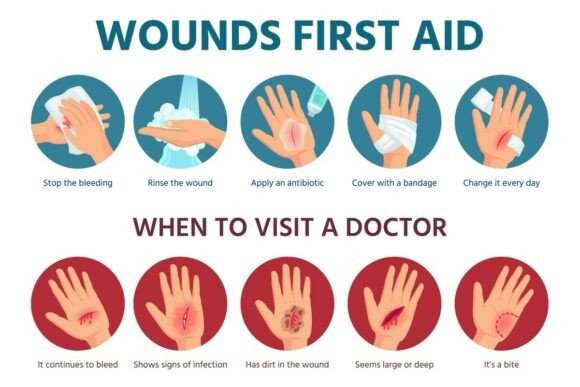
Treating a wound on the skin requires a methodical approach. Here’s a step-by-step guide to help you respond effectively:
- Stop the Bleeding: Apply gentle pressure to the wound using a clean cloth or gauze. If the bleeding does not stop after several minutes, seek medical attention immediately.
- Clean the Wound: Rinse the wound under running water to remove any dirt, debris, or bacteria. Avoid using hydrogen peroxide or alcohol, as these can damage healthy tissue.
- Apply an Antiseptic: Use an over-the-counter antiseptic solution or ointment to reduce the risk of infection. This is especially important for deeper or contaminated wounds.
- Bandage the Injury: Cover the wound with a sterile bandage or adhesive dressing. Ensure it is snug but not too tight, as this can restrict blood flow.
- Monitor for Signs of Infection: Watch for redness, swelling, pus, or fever. If any of these symptoms appear, consult a healthcare professional.
For a bandage on an injured palm, it's important to use a flexible, breathable material that allows movement while protecting the wound. A properly applied bandage can significantly speed up the healing process and reduce discomfort.
First Aid in Emergency Situations: Safety Infographics and Visual Aids
In emergency situations, visual aids such as safety infographics and illustrations play a critical role in conveying first aid instructions quickly and effectively. An emergency situation safety infographic in vector format can be used in training materials, posters, or digital platforms to help individuals understand the correct procedures for treating wounds on the skin.
Illustrations that depict skin injuries, trauma, and first aid techniques can enhance learning by providing a clear visual reference. These resources are particularly useful for professionals in fields like healthcare, education, and public safety, where accurate and accessible information is vital.
Connecting First Aid to Larger Industry Trends
First aid for wound on skin is not just a standalone practice—it aligns with broader industry trends in health technology, wearable devices, and digital health solutions. For instance, smart bandages equipped with sensors are now being developed to monitor wound healing and alert users to potential issues. Such innovations reflect a growing intersection between traditional first aid and emerging technologies.
From a business perspective, companies that provide first aid training, medical supplies, or digital health tools are seeing increased demand. Entrepreneurs and marketers can tap into this trend by creating content, products, or services that support personal and professional health preparedness.
Conclusion: Embracing First Aid as a Vital Skill
As the world continues to evolve, so do the needs and expectations surrounding health and safety. First aid for wound on skin is more than just a practical skill—it is a valuable asset in both personal and professional contexts. By understanding the treatment procedures, leveraging visual aids, and staying informed about industry developments, individuals can better prepare themselves for unexpected injuries.
In a landscape where accessibility, efficiency, and innovation are key, first aid remains a timeless and essential practice. Whether you're a freelancer navigating a busy schedule or a business leader focused on team safety, investing in first aid knowledge is an investment in resilience and well-being.