Food Macronutrients: Fat, Carbohydrate
Understanding food macronutrients—fat, carbohydrate, and protein—is essential for anyone looking to make informed choices about their diet. These nutrients form the foundation of every meal and play a crucial role in energy, satiety, and overall health. But beyond their nutritional value, they also have a visual identity that can influence how we perceive and interact with food in design, branding, and content creation.
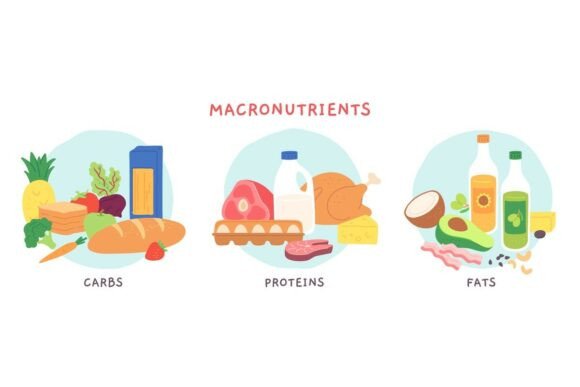
When it comes to visual representation, food macronutrients are often depicted through illustrations, infographics, and packaging designs. The way these elements are styled can affect how audiences interpret and engage with the information. For instance, a well-designed nutrient complex diet vector infographic can simplify complex data into an appealing, digestible format. This is where the right font choice becomes important—especially when working with food-related content.
Visual Characteristics of Food Macronutrients
Food macronutrients each have distinct visual traits that can be reflected in typography and design. Fat, for example, is often associated with richness and texture, which can be mirrored in bold, rounded typefaces. Carbohydrates, on the other hand, may evoke a sense of lightness or simplicity, making them suitable for clean, modern fonts. Protein, with its association with strength and structure, might pair well with strong, geometric typefaces.
In the context of design, the personality of a font can enhance the message being conveyed. A premium font used in a food-related project can add sophistication, while a creative font might bring a playful or artisanal feel. Whether you're designing a grocery nutrition chart, a social media graphic, or a brand identity for a healthy eating initiative, the right font can help communicate the essence of Food Macronutrients: Fat, Carbohydrate in a more engaging way.
Where Food Macronutrients Fit Best in Design
Food Macronutrients: Fat, Carbohydrate is not just a concept for nutritionists—it’s a powerful theme for designers, marketers, and publishers. From editorial layouts to packaging design, the visual language of macronutrients can be leveraged across multiple platforms. In web design, for instance, using a display font that reflects the texture of food can make nutritional information more approachable and memorable.
For logo design, a script font or handwritten font could be used to convey a natural, organic feel, aligning with the idea of whole foods and balanced diets. In contrast, a sans serif font might be better suited for a digital platform focused on tracking macronutrient intake. The key is to match the font's style with the project's purpose and audience.
Consider a nutrition app that uses a modern typography approach. A clean, readable font paired with icons representing fat, carbohydrate, and protein can improve user experience. Similarly, a cookbook that includes a nutrient complex diet vector infographic would benefit from a font that enhances clarity without distracting from the content.
Choosing the Right Font for Food Macronutrients
Selecting the right font involves more than just aesthetics—it's about functionality and fit. When working with Food Macronutrients: Fat, Carbohydrate, consider the following factors:
- Readability: Ensure the font remains legible at different sizes, especially when used in infographics or packaging labels.
- Brand Consistency: Choose a font that aligns with your overall brand identity and messaging.
- Commercial Licensing: Verify that the font you select allows for commercial use, particularly if you're creating assets for clients or public-facing projects.
- Font Pairing: Experiment with combinations that enhance visual hierarchy and create a cohesive look.
For example, a designer working on a food blog might pair a serif font for headings with a sans serif font for body text, creating a balance between elegance and readability. A marketing team promoting a line of low-carb snacks could use a bold, modern font to emphasize the product’s unique selling point.
Real-World Applications and Recommendations
Whether you're creating a social media post about healthy eating or developing a packaging design for a new food product, the right typography can make a significant difference. Let’s look at a few practical examples:
- Infographic Design: Use a clean, professional font for data points and a more expressive font for headings to draw attention to key nutrients like fat and carbohydrate.
- Menu Development: Pair a stylish script font with a simple sans serif font to highlight dish names and nutritional information.
- Brand Identity: Choose a custom typeface that reflects the values of your brand—whether it's health-focused, eco-conscious, or luxury-oriented.
Ultimately, the goal is to create a visual experience that resonates with your audience while clearly communicating the importance of Food Macronutrients: Fat, Carbohydrate. By considering the personality of the font, its suitability for the project, and its impact on readability and brand perception, you can elevate your design work and make nutrition more accessible and engaging for all users.