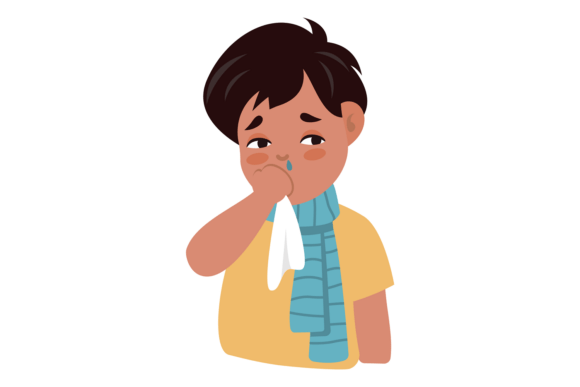
Sick Boy with Runny Nose: Understanding Cold and Flu Symptoms
When a child has a runny nose, it's often a sign of a common cold or flu. The image of a sick boy with a runny nose is familiar to many parents and caregivers. This symptom, also known as rhinorrhea, can be both uncomfortable and concerning. Understanding the causes, symptoms, and solutions for a runny nose related to colds and flu is essential for effective care.
The term "Cold and Flu R" refers to the respiratory symptoms associated with viral infections. These include a runny nose, coughing, sneezing, and sometimes a fever. While these conditions are usually mild, they can significantly impact daily life, especially for children. A sick boy with a runny nose may appear sad and uncomfortable, making it important to address the issue promptly.
Challenges and Needs Related to a Sick Boy with Runny Nose
Caring for a child with a runny nose can present several challenges. Parents and caregivers often worry about their child's comfort and overall health. The constant need to wipe a runny nose can be frustrating, and the accompanying fatigue or irritability may make it difficult for the child to focus on school or play.
Additionally, the spread of cold and flu viruses is a major concern. A sick boy with a runny nose can easily transmit the virus to others, especially in environments like schools or daycare centers. Preventing the spread of infection is a key goal for families and communities alike.
How Sick Boy with Runny Nose Can Help Address These Situations
Understanding the symptoms of a runny nose caused by colds and flu is the first step in managing them effectively. A sick boy with a runny nose may benefit from simple home remedies, such as using saline nasal sprays or keeping the environment humid. These measures can help reduce congestion and make breathing easier.
Medical infographics that depict a sick boy with a runny nose and a virus can be valuable tools for educating both children and adults. These visual aids help explain how viruses spread and what steps can be taken to prevent illness. They also highlight the importance of good hygiene practices, such as frequent handwashing and avoiding close contact with sick individuals.
Practical Applications and Outcomes
Implementing practical strategies can lead to better outcomes for a sick boy with a runny nose. For example, ensuring the child gets plenty of rest, stays hydrated, and uses over-the-counter medications as recommended by a healthcare professional can speed up recovery. It's also important to monitor symptoms and seek medical attention if they worsen or persist.
Parents can create a comfortable environment at home by using a humidifier, offering warm fluids, and providing tissues for the child to use. These small adjustments can make a big difference in the child's comfort and well-being.
Examples and Recommendations
Consider a scenario where a child comes home from school with a runny nose. The parent might recognize the symptoms of a cold or flu and take appropriate action. By using a saline spray, offering herbal tea, and keeping the child home from school, the parent helps the child recover faster and reduces the risk of spreading the virus.
Another example involves a classroom setting. Teachers and staff can use educational materials, such as an infographic showing a sick boy with a runny nose and a virus, to teach students about the importance of hand hygiene and staying home when ill. This proactive approach can help prevent outbreaks and promote a healthier learning environment.
Different Approaches to Managing a Sick Boy with Runny Nose
Each family may approach the management of a runny nose differently based on their unique circumstances. Some may prefer natural remedies, while others may opt for over-the-counter treatments. It's important to consider the child's age, health history, and any underlying conditions when deciding on the best course of action.
For instance, a parent who is concerned about medication use might choose to rely on home remedies and lifestyle changes. On the other hand, a parent with a child who has a weakened immune system may consult a healthcare provider for more targeted treatment options. The key is to find a balance that works for the child and the family.
Focusing on Usefulness and Implementation
Ultimately, the goal is to provide practical solutions that are easy to implement. Whether it's using a medical infographic to educate a child about germs or creating a soothing environment at home, the focus should be on improving the child's comfort and preventing the spread of illness.
By understanding the symptoms of a runny nose and taking proactive steps to manage them, parents and caregivers can support a sick boy with a runny nose in a way that promotes recovery and well-being. This approach not only benefits the individual child but also contributes to a healthier community.