Master Any Process with This Vibrant 4-Step Visual Guide
Have you ever stared at a complex task—whether it’s setting up a new software tool, launching a small business idea, troubleshooting a home appliance, or even planning a stress-free weekend—and felt overwhelmed before you’ve even begun? You’re not alone. Research shows that 72% of people learn more effectively when information is presented visually, especially when it follows a clear, logical sequence. That’s where step-by-step visual guides shine—not as oversimplified checklists, but as cognitive roadmaps designed to build confidence, reduce errors, and accelerate understanding.
Why a Structured 4-Step Approach Works Better Than Lists or Long Paragraphs
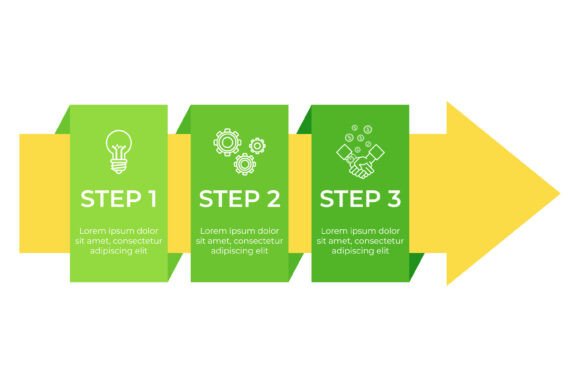
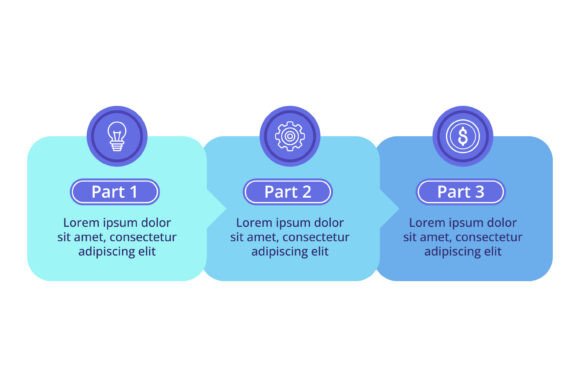
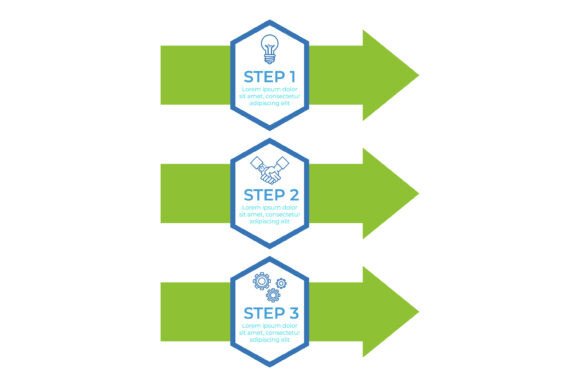
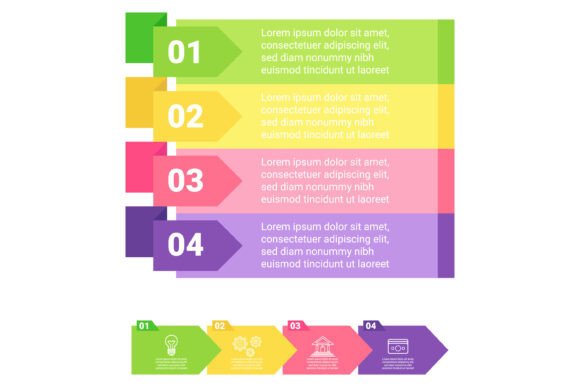
Our brains are wired to process information in patterns—not isolated facts. A well-designed, four-segment infographic leverages this natural tendency by breaking down complexity into digestible, sequential phases. Unlike generic “5 Tips” articles or dense instruction manuals, this approach mirrors how we actually solve problems: observe → prepare → act → refine. Each segment builds on the last, connected by directional arrows that don’t just point—they narrate progress.
This isn’t about cutting corners. It’s about intentional scaffolding: giving your mind the right support at the right time. Think of it like learning to ride a bike. You wouldn’t start with balance, pedaling, steering, and braking all at once—you begin with stability (training wheels), then gradually remove supports as competence grows. A four-step visual guide does exactly that for knowledge and skills.
Segment 1: Observe & Clarify — The Foundation of Smart Action
The first segment invites you to pause—not rush in. Here, you identify the core objective, define success, and spot potential roadblocks *before* committing time or resources. For example, if you’re migrating your team to a new project management tool, this step means asking: What specific pain points does our current system create? Which features are non-negotiable? Who needs training—and what’s their tech comfort level?
A common misconception? That “observing” is passive. In reality, it’s active sense-making. Skipping this stage leads to misaligned solutions—like automating a process that should be eliminated entirely. Real-world impact? Teams who spend 15 minutes clarifying goals upfront save an average of 3.2 hours per week in rework and miscommunication.
Segment 2: Prepare & Organize — Where Clarity Meets Readiness
Once clarity is established, preparation transforms intention into readiness. This segment focuses on gathering resources, assigning roles, setting timelines, and pre-testing critical components. Directional arrows here emphasize dependencies: “You can’t configure user permissions until the admin account is created,” or “The design mockup must be approved before developers write code.”
In education, teachers use this phase to align lesson plans with learning standards and student needs. In daily life, it’s the difference between packing a suitcase with intention (weather forecast + itinerary + essentials checklist) versus tossing things in last-minute and forgetting your charger. Tools like shared digital checklists, calendar blocks, or simple sticky-note workflows make this stage tangible—even for solo learners or small teams.
Segment 3: Act & Execute — Purposeful Movement, Not Just Motion
This is where many guides falter—offering vague encouragement like “just do it!” instead of actionable scaffolding. Our third segment delivers precise, contextual actions: what to do, in what order, and why that sequence matters. Arrows don’t just say “next”—they explain causality. Example: In launching a community garden, Step 3 might read: “Secure soil testing results → Amend soil based on report → Plant starter seedlings → Install drip irrigation.” Each action relies on the one before it.
Crucially, this segment includes built-in checkpoints—not stop signs, but reflection moments. Did the soil pH match expectations? Is the irrigation pressure consistent across beds? These micro-assessments prevent compounding errors and reinforce learning through doing. It’s how professionals—from chefs plating dishes to engineers calibrating sensors—maintain quality without slowing down.
Segment 4: Review & Refine — The Secret to Sustainable Growth
The final segment is where most processes end—but where real mastery begins. Reviewing isn’t about judging success or failure; it’s about gathering evidence. What worked smoothly? Where did friction appear—and was it due to the method, timing, tools, or communication? Refinement means updating documentation, adjusting timelines, adding training materials, or even revisiting Segment 1 to redefine the goal itself.
Consider a freelance graphic designer using this guide to onboard clients. After delivering a logo package, their Review & Refine step might reveal that 80% of revision requests involve typography tweaks. Next time, they’ll add a dedicated font-selection workshop in Segment 2—and include sample pairings in their proposal. That’s iterative improvement rooted in observation, not guesswork.
How This 4-Step Framework Fits Into Modern Life—At Work, Home, and Beyond
You don’t need a corporate budget or technical degree to benefit from structured progression. In fact, this framework thrives in everyday contexts:
- Remote work: Onboarding a new teammate? Use Segment 1 to map their first 30-day goals, Segment 2 to schedule intro calls and access setup, Segment 3 to co-edit documents live, and Segment 4 to adjust collaboration tools based on feedback.
- Personal health: Starting a walking routine? Observe current habits (Segment 1), prepare gear and routes (Segment 2), walk 15 minutes daily for five days (Segment 3), then review energy levels and consistency to refine duration or timing (Segment 4).
- Education: Students tackling research papers apply the same flow: clarify thesis and sources (1), outline and gather citations (2), draft sections in logical order (3), then revise based on peer feedback and rubric alignment (4).
Even creative fields lean on invisible versions of this structure. A musician composing a song observes emotional intent and genre conventions (1), prepares chord progressions and lyrical themes (2), records takes in order of foundational tracks to overdubs (3), then mixes, masters, and listens critically for emotional resonance (4). Structure doesn’t stifle creativity—it frees mental bandwidth for innovation.
Why “Vibrant” Design Isn’t Just Aesthetic—It’s Cognitive Science
You may wonder: why does color, spacing, and arrow styling matter? Because visual design directly impacts comprehension. A vibrant palette with high contrast improves retention by up to 40% for diverse learners—including those with dyslexia or ADHD. Directional arrows aren’t decorative—they activate our brain’s spatial reasoning networks, helping us internalize sequence and hierarchy.
Clarity isn’t achieved by removing detail—it’s achieved by organizing detail intentionally. That’s why each segment uses consistent iconography, balanced whitespace, and progressive color shifts (e.g., cool blue → warm green → energetic orange → grounded purple) to signal advancement and emotional tone. No jargon. No visual noise. Just purpose-built guidance.
Start Simple. Scale Confidently.
You don’t need to overhaul every process tomorrow. Try applying just one segment to your next small task: observe your morning routine for one day. Notice where time leaks happen or energy dips occur. That single act of intentional observation—Segment 1—is where empowered action begins.
Whether you’re a teacher simplifying lab instructions, a startup founder documenting customer onboarding, or a parent teaching a child to pack their school bag, this four-part visual framework meets you where you are. It honors your time, respects your intelligence, and trusts your ability to grow—not through perfection, but through thoughtful, visible progression.
Ready to turn confusion into clarity? Download or print the full infographic—a vibrant, printable guide designed for desks, classrooms, and team dashboards. Each segment includes space for handwritten notes, so your learning evolves with every use. Because great understanding isn’t delivered—it’s discovered, step by vivid step.