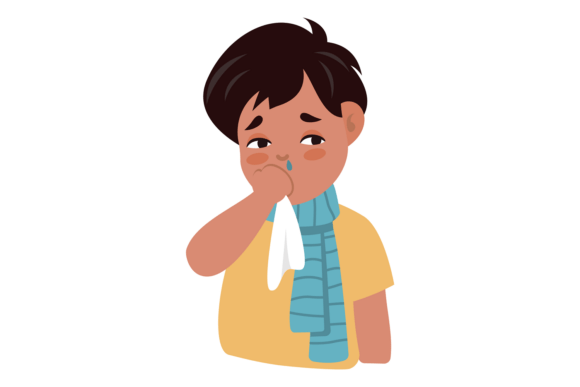
Girl with Acne. Young Unhappy Female
Acne is more than just a skin issue—it’s a daily challenge that affects confidence, mood, and how people see themselves. For a young woman dealing with acne, it can feel like an invisible burden that follows her everywhere. Whether she's heading to work, meeting friends, or scrolling through social media, the presence of pimples, whiteheads, and blackheads can cast a shadow over her day. This is where understanding the real-world impact of acne becomes essential.
Understanding the Real Impact of Acne
Acne isn’t just about breakouts; it’s about how those breakouts shape a person’s life. A girl with acne might avoid certain outfits, skip social events, or even hesitate to speak up in meetings. The emotional weight of acne can be heavy, especially when it feels like no one understands what she’s going through. It’s not just about appearance—it’s about feeling seen, accepted, and empowered.
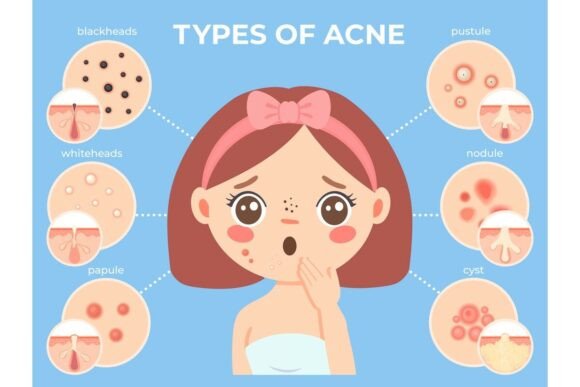
For many, acne starts in adolescence but lingers into adulthood. Hormonal changes, stress, and lifestyle choices all play a role. The types of pimples vary too—whiteheads, blackheads, pustules, and nodules each have their own challenges. Recognizing these differences is the first step toward finding the right solutions.
Where and When People Use Resources for Acne
People turn to resources like Girl with Acne. Young Unhappy Female in various moments of need. A student might search for tips before an important presentation, while a professional could look for ways to manage breakouts during a busy workweek. A blogger or content creator may seek visual assets to explain acne in a relatable way.
These resources are often used in personal settings, such as when someone is researching skincare routines or looking for inspiration. They’re also valuable in creative projects, like designing infographics, writing articles, or developing educational content. In professional environments, they can help teams understand the importance of mental health and self-care.
Realistic Use Cases for Different Users
For a young woman navigating college, acne can affect her social life and academic performance. She might use resources to find affordable treatments or learn how to talk about her skin concerns without shame. A marketer creating content around skincare might use visuals of acne types to educate their audience and build trust.
Entrepreneurs launching a beauty brand could incorporate these visuals into their branding to connect with customers who share similar struggles. Educators teaching health or biology classes might use them to explain the science behind acne in a way that resonates with students.
Even everyday users benefit from understanding acne better. A parent might use these resources to support a teenager dealing with breakouts, while a friend could offer more empathetic advice after learning about the different types of pimples.
How Different Users Benefit From Acne Resources
Resources like Girl with Acne. Young Unhappy Female aren’t just informative—they’re empowering. They help users make informed decisions about their skincare, understand the emotional impact of acne, and find solutions that fit their lifestyle.
A content creator might use these visuals to create engaging posts that spark conversations about self-acceptance. A dermatologist could reference them in patient education materials to simplify complex skin conditions. A small business owner selling skincare products might use them to explain product benefits in a clear and relatable way.
The key is to connect the information to real outcomes. Whether it’s reducing anxiety, improving self-esteem, or making better skincare choices, the value lies in how the information is applied.
What to Consider Before Using Acne Resources
Before diving into any resource, it’s important to consider your specific needs. Are you looking for visual assets, practical tips, or scientific explanations? Understanding your goal helps you choose the right tools and avoid overwhelming yourself with irrelevant information.
Also, think about the source. Reliable resources come from experts in dermatology or skincare. Look for content that’s evidence-based and free from biased marketing. Always cross-check information with trusted medical professionals or reputable websites.
Finally, remember that everyone’s skin is different. What works for one person might not work for another. Be open to experimenting with different approaches and don’t be afraid to seek professional advice if needed.
Connecting Features to Real Outcomes
Features like detailed illustrations of acne types or scenarios showing how acne affects daily life aren’t just for show—they’re tools for understanding. A vector infographic with whiteheads, blackheads, pustules, and nodules can help users identify their specific skin concerns and find targeted solutions.
When paired with practical advice, these visuals become powerful. They help users recognize patterns, track progress, and make informed choices. Whether it’s choosing the right cleanser or knowing when to consult a dermatologist, the right information can make all the difference.
Final Thoughts on Acne and Empowerment
Acne is a common experience, but it doesn’t have to define a person. With the right resources, support, and mindset, it’s possible to manage breakouts and build confidence. Girl with Acne. Young Unhappy Female isn’t just a concept—it’s a reflection of real struggles and the potential for real change.
By focusing on practical solutions, realistic scenarios, and meaningful connections, users can turn this information into something that truly helps. Whether you’re a creator, a professional, or simply someone looking for answers, there’s value in understanding acne and its impact on everyday life.