Effective Collaboration Steps: A Strategic Guide to Seamless Teamwork
In today’s fast-paced, interconnected world, the ability to collaborate effectively is a cornerstone of success. Whether you're launching a new product, managing a team, or working on a creative project, understanding and applying Effective Collaboration Steps can transform how you work with others. These steps provide a structured approach to teamwork that enhances communication, streamlines decision-making, and ensures everyone is aligned toward a common goal.
The power of collaboration lies in its ability to combine diverse perspectives, skills, and experiences. However, without a clear framework, even the most talented teams can struggle with miscommunication, conflicting priorities, and missed deadlines. That’s where Effective Collaboration Steps come into play. By breaking down the process into manageable phases, these steps help teams navigate challenges and achieve better outcomes.
Why Effective Collaboration Steps Matter
Effective Collaboration Steps are not just about working together—they’re about working smarter. They offer a strategic lens through which teams can evaluate their processes, identify inefficiencies, and make informed decisions. When applied thoughtfully, these steps can lead to improved productivity, stronger relationships, and more innovative solutions.
For entrepreneurs, this means faster execution and better resource allocation. For educators, it translates to more engaging lessons and collaborative learning environments. For professionals in any field, it ensures that every interaction contributes to a larger, more meaningful purpose.
Moreover, Effective Collaboration Steps support long-term planning by establishing a foundation for consistent communication and shared accountability. This is especially valuable when dealing with complex projects that require input from multiple stakeholders.
How to Use Effective Collaboration Steps Strategically
Applying Effective Collaboration Steps starts with understanding when and how to use them. These steps are most effective when used as part of a broader strategy, rather than as a one-size-fits-all solution. Here’s how to approach them:
- Define your goals: Before diving into collaboration, clearly outline what you want to achieve. Are you solving a problem, launching a campaign, or developing a new product? Having a clear objective helps guide the entire process.
- Assess team dynamics: Consider the strengths, weaknesses, and communication styles of your team members. A successful collaboration depends on mutual respect and open dialogue.
- Establish roles and responsibilities: Assign tasks based on expertise and availability. This prevents overlap and ensures that everyone knows what is expected of them.
- Set timelines and milestones: Break the project into smaller, manageable phases. This makes it easier to track progress and adjust as needed.
By taking these steps, you create a roadmap that keeps everyone focused and motivated. It also helps prevent common pitfalls such as unclear expectations or unproductive meetings.
The Three-Step Journey of Collaboration
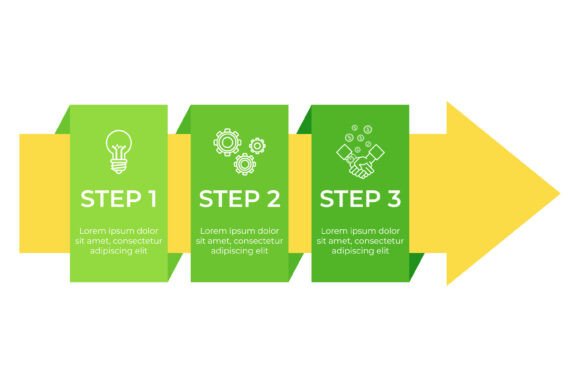
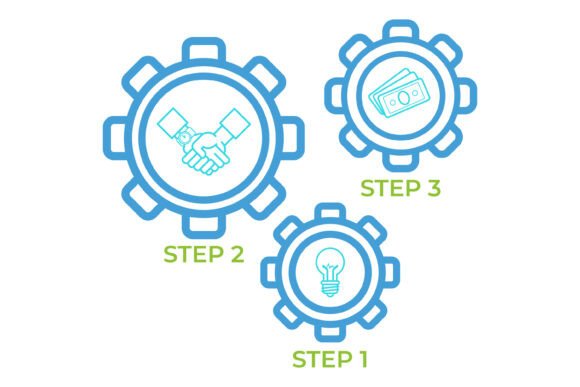
To simplify the process, Effective Collaboration Steps can be visualized as a three-phase journey. Each stage plays a critical role in ensuring that collaboration leads to tangible results.
Phase 1: Brainstorming Creative Ideas
The first step in any collaborative effort is generating ideas. This phase is all about creativity, exploration, and open-mindedness. Encourage team members to share their thoughts without fear of judgment. Techniques like mind mapping, free writing, or group discussions can spark innovation and uncover new possibilities.
This stage is crucial because it sets the direction for the entire project. A well-thought-out idea can save time and resources later on. However, it’s important to balance creativity with practicality—ensuring that ideas are feasible and aligned with your overall goals.
Phase 2: Forging Agreements
Once ideas are on the table, the next step is to reach consensus. This involves evaluating options, discussing potential challenges, and making decisions that everyone can support. Active listening and compromise are key here. Without clear agreements, teams can become stuck in endless debates or lose momentum.
During this phase, it’s also important to define the scope of the project. What exactly needs to be done? Who will be responsible for what? Establishing these details early on helps avoid confusion and ensures that everyone is on the same page.
Phase 3: Settling Financial Details
The final step in the collaboration process is addressing financial matters. This includes budgeting, cost-sharing, payment terms, and other monetary considerations. While this might seem less exciting, it’s essential for maintaining trust and transparency among collaborators.
Clear financial agreements prevent misunderstandings and ensure that all parties are fairly compensated. Whether you’re working with freelancers, partners, or clients, having a documented plan helps maintain healthy relationships and avoids disputes down the line.
Practical Examples of Effective Collaboration Steps in Action
Let’s look at a few real-world scenarios where Effective Collaboration Steps have made a difference:
- Marketing Campaigns: A digital marketing team uses brainstorming sessions to generate content ideas, then collaborates to finalize the strategy and assign tasks. Finally, they agree on budgets and payment schedules for external designers and copywriters.
- Product Development: A startup team works together to design a new app. They start with ideation workshops, then negotiate roles and timelines, and finally establish revenue-sharing agreements with investors.
- Educational Projects: Teachers collaborate to develop a new curriculum. They meet regularly to discuss lesson plans, assign responsibilities, and set deadlines for content creation and review.
These examples show how Effective Collaboration Steps can be adapted to different industries and situations. The key is to remain flexible while maintaining a clear structure.
Strategic Observations and Decision-Making Guidance
When using Effective Collaboration Steps, it’s important to stay focused on the bigger picture. Ask yourself: Does this step bring us closer to our goal? Is it helping us build stronger relationships? Will it improve our long-term outcomes?
One common mistake is rushing through the process without proper reflection. Take time to assess what’s working and what isn’t. If a step isn’t yielding results, don’t hesitate to adjust your approach. Flexibility is just as important as structure.
Another consideration is the importance of documentation. Keep records of decisions, agreements, and financial arrangements. This not only provides clarity but also serves as a reference for future projects.
Risks of Using Effective Collaboration Steps Without Clarity
While Effective Collaboration Steps are powerful tools, they can also be counterproductive if used without clear goals or context. For example, if a team spends too much time brainstorming without a defined purpose, they may end up with vague ideas that are hard to implement.
Similarly, skipping the agreement phase can lead to conflicts over roles, responsibilities, and expectations. And failing to address financial details can result in disputes that damage relationships and derail projects.
The risk is not in the steps themselves, but in how they are applied. To avoid these pitfalls, always start with a clear objective, maintain open communication, and document key decisions throughout the process.
Intentional Use of Effective Collaboration Steps
To get the most out of Effective Collaboration Steps, approach them with intention. Think of them as a guide rather than a rigid formula. Adapt them to fit your specific needs, and don’t be afraid to modify them as circumstances change.
Here are a few tips for intentional use:
- Align with your mission: Ensure that each step supports your broader goals and values.
- Involve all stakeholders: Get input from everyone who will be affected by the collaboration.
- Review and refine: After completing a project, take time to reflect on what worked and what didn’t. Use this insight to improve future collaborations.
By using Effective Collaboration Steps intentionally, you turn teamwork into a strategic advantage that drives growth, innovation, and long-term success.